
How to Prepare Your Hotel for a Professional Photo Shoot
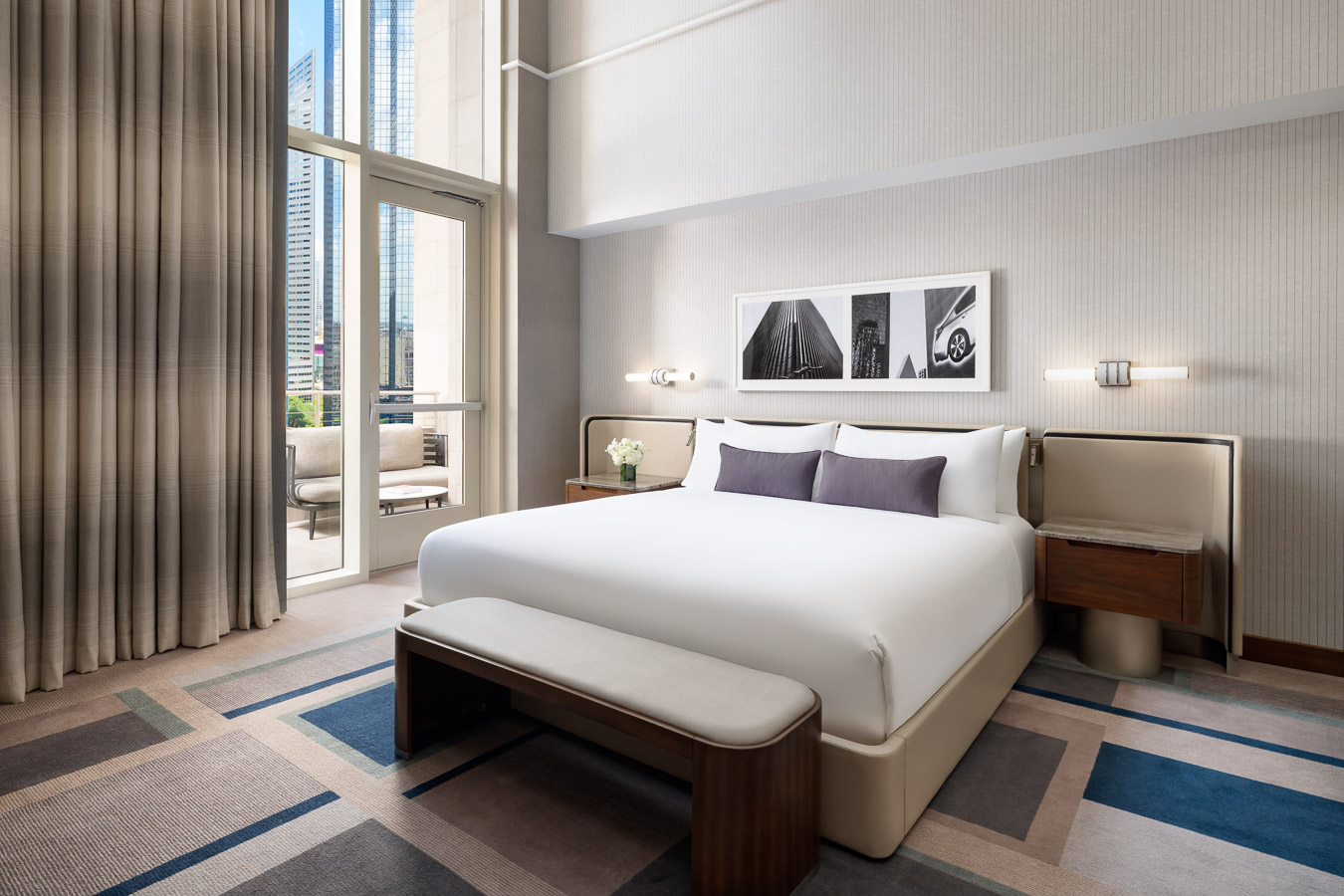
How to Prepare Your Hotel for a Professional Photo Shoot
Professional hotel photography can influence how guests perceive a property before they ever walk through the door. But getting strong images isn’t only about hiring the right photographer. Preparation plays a major role in how successful the final photos will be.
Over the years, I’ve found that the best hotel shoots usually have one thing in common: a clear plan before the first image is made.
Here are a few ways hotels can prepare for a smoother, more productive photography shoot—and ultimately end up with stronger marketing images.
1. Start With the Goal — Not the Shoot
Before scheduling a hotel photography shoot, it helps to define what the images actually need to accomplish.
Ask questions like:
Where will these photos be used?
(Website, OTA listings, social media, print advertising, email campaigns, etc.)What types of images are missing from your current marketing?
Are you trying to attract a different type of guest or reposition the property?
Which spaces generate the most revenue or guest interest?
A clear goal shapes everything—from the shot list to styling decisions to how much time should be spent in each area of the property.
2. Build a Realistic Shot List
One of the most common mistakes hotels make is trying to photograph too much in too little time.
A better approach is to prioritize.
Start with:
Your top 8–12 must-have images
Then create a secondary list of “nice to have” shots
This helps keep the day focused and allows more time to refine important spaces rather than rushing through the property.
For hospitality photography, quality almost always matters more than quantity.
3. Prepare Rooms Like They’re Ready for a Guest
Every detail becomes visible in a professional photograph.
Before the shoot, walk through the property carefully and look for anything that might distract in an image:
Wrinkled linens
Damaged furniture
Crooked artwork
Burned-out light bulbs
Dust or fingerprints
Visible cords, remotes, signage, or clutter
If something wouldn’t feel right to a guest entering the room, it usually won’t feel right in a photograph either.
Housekeeping and maintenance preparation ahead of time can make a major difference in the final result.
4. Plan Around Light and Timing
Photography is heavily influenced by natural and architectural light. The direction of sunlight, time of day, weather conditions, and even nearby buildings can affect how a space photographs.
In general:
Guest rooms often look best during daylight hours
Restaurants and bars may work better in the evening
Lobby areas can benefit from early morning timing before guest traffic increases
Exterior images depend heavily on sun position and weather conditions
Having a loose production schedule ahead of time helps avoid unnecessary delays during the shoot.
5. Assign One Point of Contact
This is a small detail that can dramatically improve how smoothly a hotel photography shoot runs.
Having one primary contact person on-site helps with:
Quick approvals
Coordinating housekeeping or engineering
Accessing spaces efficiently
Making decisions without delays
Too many decision-makers can slow down the process and create confusion during production.
6. Think Beyond the Wide Shot
Wide room photographs are important—but they are only part of a complete hospitality image library.
Strong hotel photography also includes:
Design details
Textures and materials
Food and beverage moments
Amenities
Guest experience touches
Lifestyle imagery when appropriate
These supporting images are often some of the most useful assets for hotel marketing teams because they work well across social media, email campaigns, advertisements, and website design.
7. Allow Time for Refinement
The strongest images usually happen when there’s enough time to slow down and refine the details.
Building a little flexibility into the production schedule allows time for:
Small styling adjustments
Alternate compositions
Lighting refinements
Unexpected weather changes
Capturing additional detail shots
Rushed shoots tend to show in the final images.
Common Hotel Photography Mistakes
A few issues come up repeatedly during hotel shoots:
Trying to photograph the entire property in one day
Scheduling photography before renovations or styling are complete
Forgetting to prep exterior spaces
Not allowing enough housekeeping support
Overbooking the production schedule
Waiting until the day of the shoot to make creative decisions
A little preparation beforehand usually saves both time and money later.
Final Thought
A well-prepared hotel photography shoot does more than produce better images. It creates a smoother process for everyone involved and helps ensure the final photographs actually support the property’s marketing goals.
Whether the images are being used for a hotel website, hospitality advertising, OTA listings, or social media campaigns, preparation is often what separates average results from standout photography.
If you’re planning photography for a hotel, resort, or hospitality property and would like help building a shot list or production plan, feel free to get in touch.